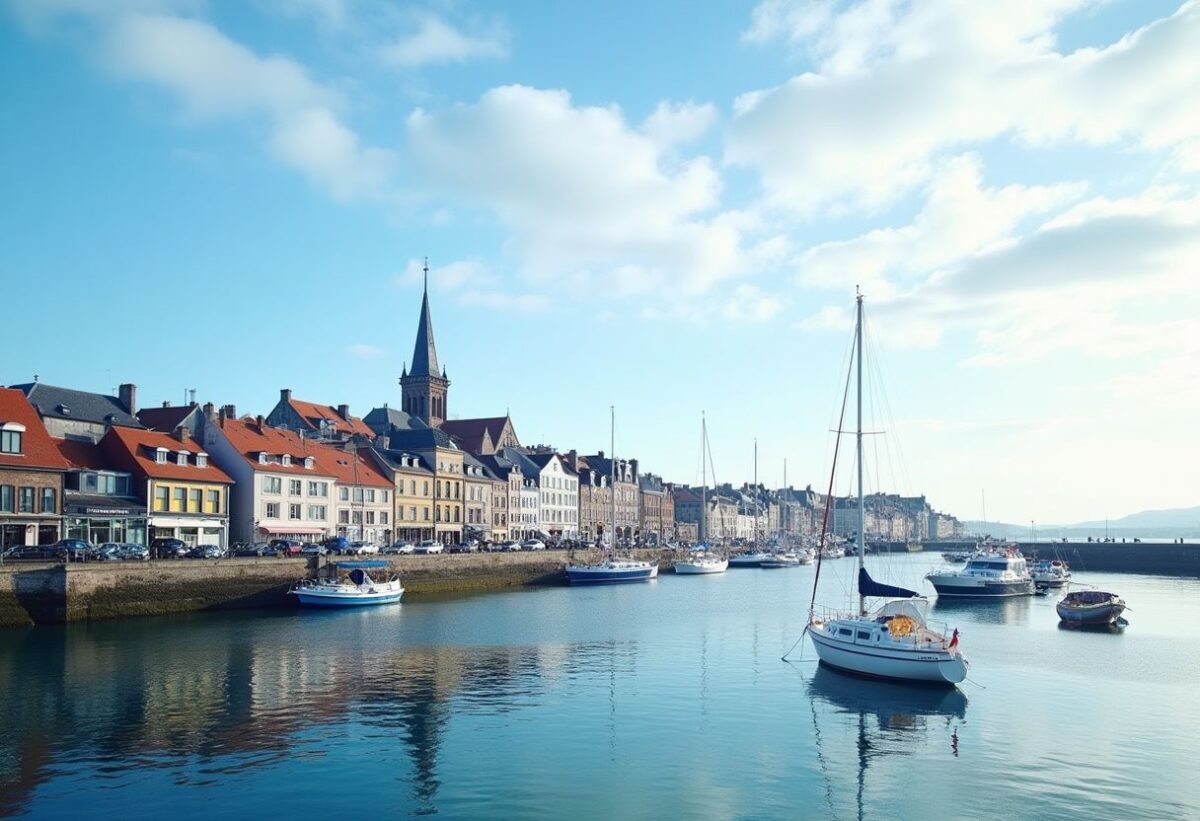
In Saint-Malo, an emblematic city of Brittany, digitalization has taken the service sector by storm, offering consumers a multitude of online quotes. These quotes, although intended to simplify our lives, often raise more questions than they provide answers. Why can two quotes for the same service be so different in terms of cost? This question is common among many locals seeking to understand the workings of this pricing paradox. The price disparities between different online quotes can be explained by a mosaic of factors that influence these digital offers.
The competition and pricing strategies of local businesses
Local businesses in Saint-Malo adopt various strategies to stand out in an increasingly competitive environment. This phenomenon is exacerbated by the massive presence of online offers.
- Market penetration strategies: some companies choose to lower their prices to attract a broader clientele, betting on higher volume to compensate for reduced margins. This approach is often visible during the first contact with the customer, through an initially attractive quote.
- Fluctuations in demand: seasonal variations also influence pricing. In the high tourist season, for example, prices may rise due to increased demand for certain services.
- Customization of services: companies that offer highly tailored services to meet specific customer needs can justify higher prices, as they provide a perceived added value that is seen as unique.
The quality and nature of the service offered
Another reason why online quotes can vary lies in the quality and nature of the services offered. This nuance is sometimes difficult to discern without thorough investigation.
First of all, a standardized service will often be less expensive than a customized service. Companies that invest in higher quality materials or employ highly skilled professionals often justify higher costs. For example, during a windshield replacement in Saint-Malo, the quality of the glass used and the expertise of the technicians can greatly influence the final price. Additionally, some companies include in their quotes additional services such as extended warranties or post-work follow-ups, adding significant value that is reflected in the proposed rate.
Operational costs and administrative impacts
Underlying operational costs and administrative burdens are often underestimated by consumers when comparing quotes.
Companies that operate with larger infrastructures or have localized labor often have to pass these costs onto their prices. Costs related to storage, logistics, and equipment maintenance are integrated into the calculation of quotes. Similarly, administrative costs such as those associated with human resources management or regulatory compliance can also influence the final amount. A quote that includes all these elements, although higher, could suggest a more robust and financially stable company, thus offering increased security for the consumer.
Technology and the method of calculating quotes
Technology plays a significant role in how quotes are calculated and presented to the end consumer.
- Process automation: companies using automated tools to generate quotes can offer competitive prices as they reduce labor costs associated with these tasks.
- Pricing algorithms: some companies employ sophisticated algorithms to adjust their prices in real-time based on various factors such as current demand, competition, and market trends.
The transparency offered by these technological tools can also reassure the consumer that the proposed prices are justified and based on concrete and updated data.
Price variations in online quotes in Saint-Malo, although sometimes frustrating for the consumer, reflect a dynamic market influenced by many factors. Whether it is pricing strategies, service quality, operational costs, or technology, each element plays a crucial role in determining the proposed rates.