Your veterinarian has just prescribed Zodon for your cat to treat an abscess or an infected wound. This medication contains clindamycin, an antibiotic that targets bacteria such as Staphylococcus spp. and Streptococcus spp. Before starting the treatment, it’s best to know what to expect in terms of side effects so you can react quickly if something goes wrong.
Digestive issues under Zodon: what the cat expresses first
Clindamycin acts on pathogenic bacteria, but it also disrupts the cat’s intestinal flora. The digestive tract is often the first to react. Vomiting and diarrhea are the most common side effects reported in the medication’s leaflet.
Your cat may vomit within an hour of taking the medication. Diarrhea may appear after a few days of treatment, when beneficial intestinal bacteria start to dwindle. An isolated episode of soft stools is not alarming in itself.
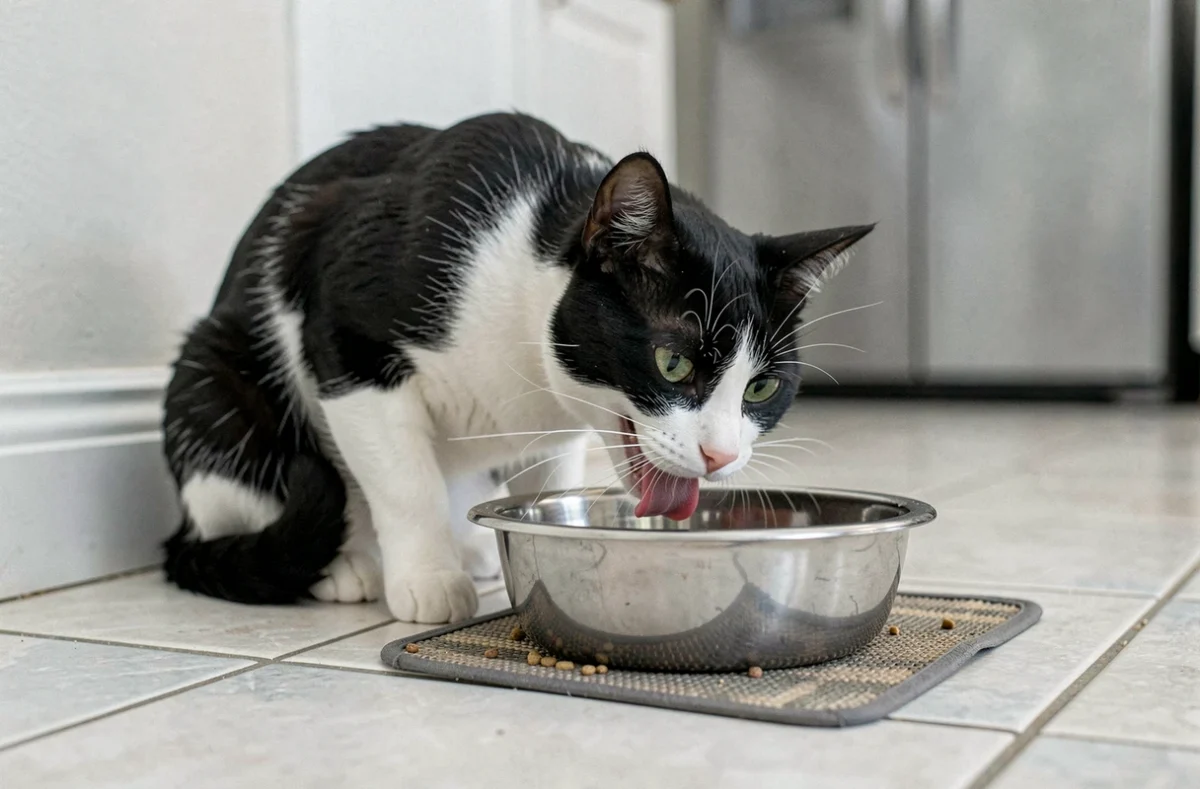
However, if diarrhea persists for more than two days, becomes watery, or contains blood, contact your veterinarian without delay. The same goes if your cat refuses to eat for more than twenty-four hours. A cat that does not eat can quickly become dehydrated, especially if it is also losing water through diarrhea.
To better understand the side effects of Zodon in cats, keep an eye on the frequency of stools and their consistency from the first day of treatment.
Less known warning signs to watch for during treatment
Digestive issues capture all the attention, but other signals deserve your vigilance. The Zodon leaflet mentions the possibility of hypersensitivity reactions. Your cat may show facial swelling, unusual itching, or difficulty breathing. Any allergic reaction requires immediate cessation of treatment and a call to the veterinarian.
The issue of the esophagus
Have you ever noticed your cat drooling or swallowing repeatedly after receiving medication? Cases of esophageal lesions (esophagitis, ulceration) have been documented with solid form clindamycin, especially when the tablet gets stuck in the esophagus. The liquid Zodon solution reduces this risk since it is liquid, but caution is still advised.
If your cat is receiving the liquid solution, ensure that it swallows the product properly. A cat that shakes its head and spits out part of the dose has not received the prescribed amount, complicating the treatment.
Behavioral changes
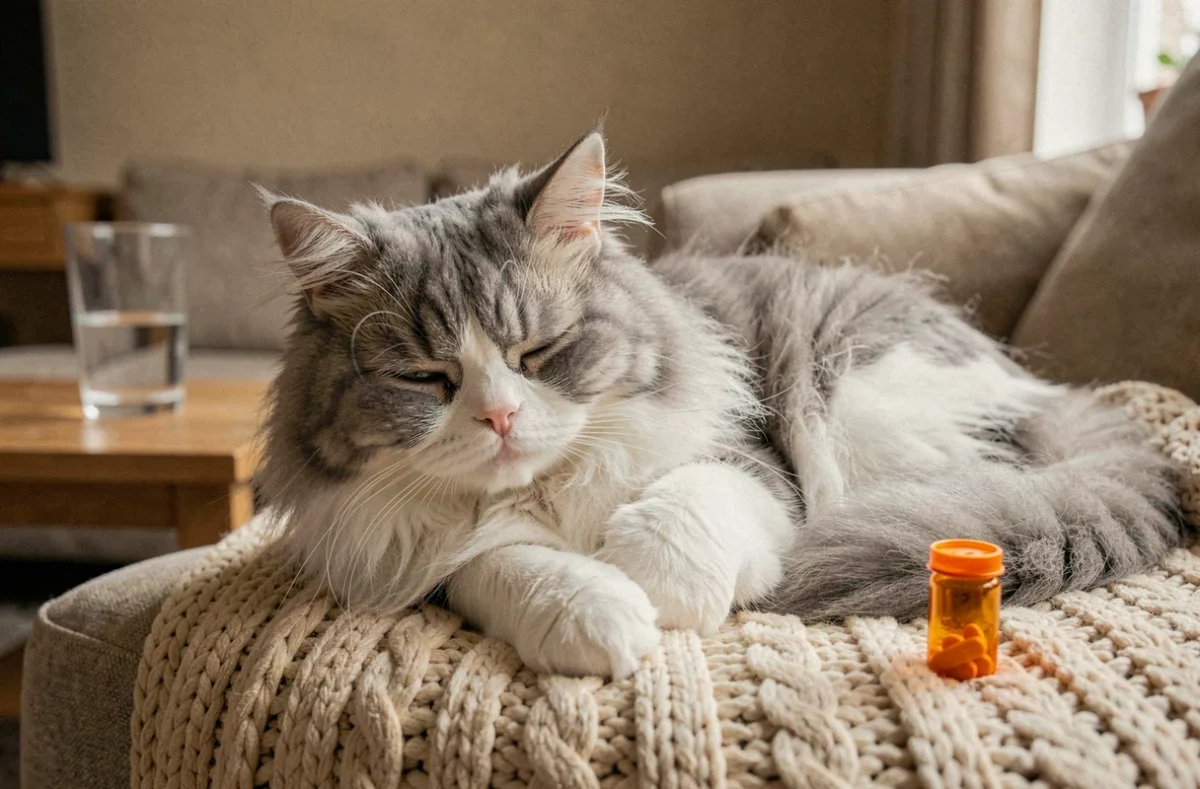
An abnormally lethargic cat or one that hides may signal discomfort related to the medication. Clindamycin can cause a decrease in appetite and temporary lethargy. This is not always a serious side effect, but if lethargy lasts more than two days, a veterinary check-up is necessary.
Zodon and contraindications: when the medication is not suitable
Zodon is not suitable for all cats. The leaflet clearly states the following situation where it should not be administered:
- Cat with a known hypersensitivity to clindamycin, lincomycin, or any of the product’s excipients
Furthermore, the leaflet notes drug interactions to consider. Clindamycin may antagonize macrolides (including erythromycin) and chloramphenicol. If your cat is taking other medications, always inform the veterinarian before starting Zodon. Interaction with certain muscle relaxants (such as those used during anesthesia) is also documented in the leaflet.
Persistent infection under Zodon: when to reevaluate treatment
Stopping an antibiotic too early promotes bacterial resistance. Extending an ineffective treatment has no therapeutic benefit either.
Clindamycin does not cover all bacteria. If after several days of treatment the wound shows no improvement (persistent redness, swelling, purulent discharge), the problem may not necessarily be related to the dose. It could be a bacterial strain resistant to clindamycin.
In this case, the veterinarian may perform an antibiogram. This test precisely identifies the bacteria involved and determines which antibiotic will be effective. It is more reliable than blindly changing the molecule.
Prolonged treatments and biological monitoring
If treatment with Zodon lasts several weeks (for osteomyelitis, for example, primarily in dogs), monitoring of liver and kidney functions is recommended by the leaflet. In cats, long treatments warrant a blood test to ensure that the liver and kidneys tolerate the medication well.
Good practices during Zodon treatment
Monitoring side effects does not require special equipment, but a bit of method:
- Note the time of each dose and any observed symptoms (vomiting, diarrhea, loss of appetite) to provide an accurate history to the veterinarian if needed
- Check the treated wound or abscess daily: a decrease in swelling and redness indicates that the antibiotic is working
- Ensure that your cat is properly hydrated, especially in case of digestive issues
- Never double a missed dose, as an overdose increases the risk of digestive side effects
Zodon remains a well-tolerated antibiotic by the majority of cats when used according to veterinary prescription. Most side effects are mild and reversible upon discontinuation of treatment. Your role is to observe, note, and communicate quickly with your veterinarian at the slightest doubt.