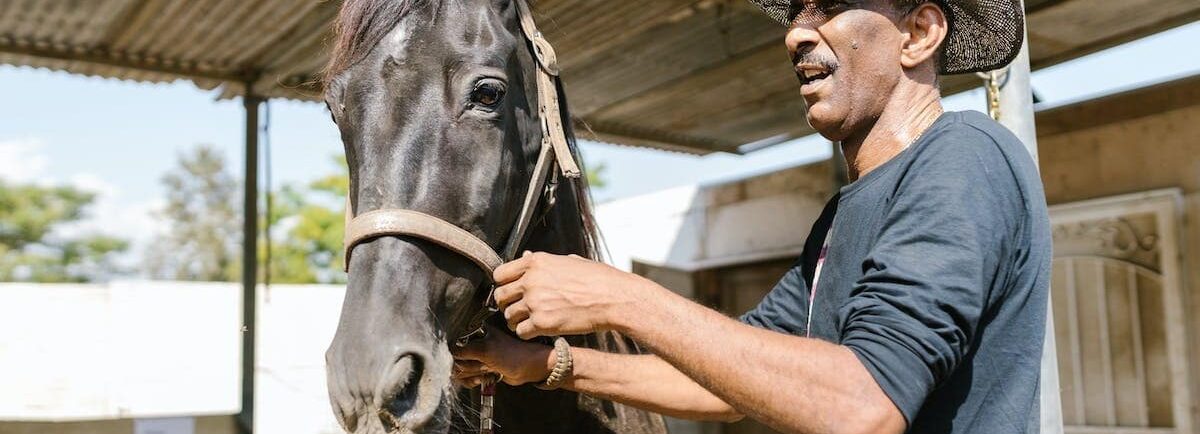
Embracing a career as an animal caretaker is a choice that requires specific preparation. This exciting profession demands adequate training and unwavering determination. From the end of middle school, the learning process can begin and unfolds in several phases. For young people eager to pursue this path, it is essential to understand the academic and professional journey to follow. Involvement in internships, selecting appropriate training, and gaining practical experience are all crucial steps. This path is demanding, but for those dedicated to animal welfare, it promises significant rewards.
Children and Animals: A Lasting Early Fascination
Advancing in the studies of animal caretaking after middle school involves deep reflection on the possible options. This phase is critical for any student seriously considering this career path, as it largely defines their future career.
The choice of the path to follow can largely depend on individual preferences and specific aspirations. For example, if a young person is particularly passionate about exotic or wild animals, they might consider the option of a Bac Pro in Equestrian Business Management (CGEH) or a BTSA in Nature Management and Protection with a specialization in ‘wild animals’.
Similarly, for those interested in domestic animals, they can opt for a Professional Certificate in Dog Training or an agricultural CAP with a focus on ‘animal caretaker’. These programs provide a solid introduction to the specific techniques of the profession: handling animals, essential veterinary knowledge, regulations related to animal welfare…
It should not be forgotten that there is also the possibility of continuing studies after the Bac. Professional licenses offer more advanced specializations such as Zookeeper in a zoo or Nature and Environment Animator.
Thinking about animal caretaker studies after middle school also involves questioning one’s long-term professional project. One can consider certain practical internships with a veterinarian or in a shelter to concretely understand the daily life of the profession before embarking on this demanding yet rewarding educational path.
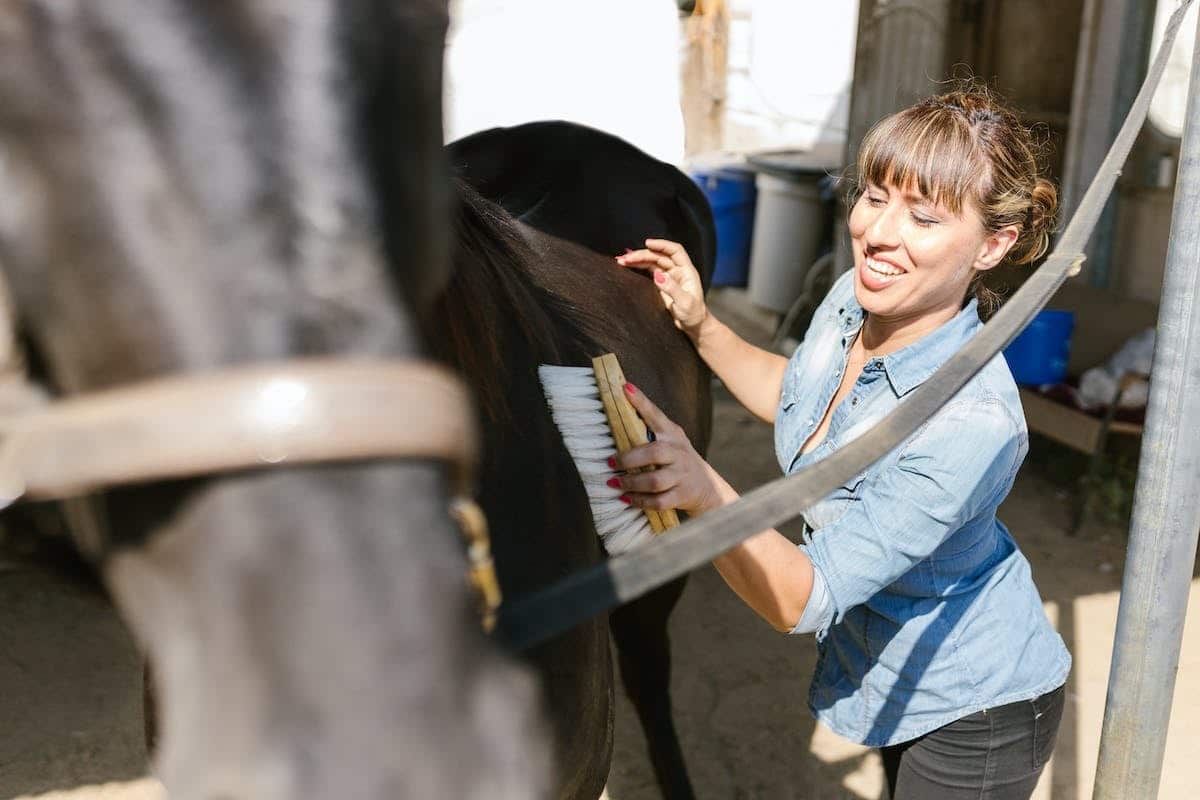
After Middle School: Choosing the Right Path to Animals
Once the choice of the path is made, it is important to address their specific needs.
In parallel, it is recommended to develop practical skills by following complementary training such as animal first aid or animal ethology. These courses allow for deepening knowledge and learning the appropriate gestures and techniques to interact with animals safely.
The second step is to accumulate practical experience. This phase can be achieved through internships in specialized structures such as zoos, shelters, or veterinary clinics. These field experiences provide a valuable opportunity to observe and interact directly with different types of animals while learning from seasoned professionals.
Becoming an Animal Caretaker: Essential Steps
To succeed in this demanding profession, certain skills and qualities are essential. A deep affinity for animals is paramount. One must lift heavy loads, clean enclosures, or even participate in captures, which requires strength and endurance.
The ability to work in a team is also crucial in this profession, which often requires close collaboration with other staff members as well as with specialized veterinarians.
Developing these key skills throughout training will prepare the future animal caretaker to face the daily challenges of this exciting profession.
The Keys to Success: Essential Skills and Qualities
Passionate about animals, you have decided to embark on a rewarding career as an animal caretaker. After obtaining your middle school diploma, it is time to take concrete steps to realize your dream.
The first step is to gather information about the different training programs and institutions that offer courses suited to this specific profession. There are specialized schools in the animal field where you can acquire the theoretical and practical knowledge necessary for your future profession.
Once this research is done, you need to define your goals, identify the specific areas that interest you the most (for example: zoo, animal park, shelter …) and refine your deeply rooted motivations.
The next step is to enroll in an appropriate training program. Some paths can be followed right after obtaining the diploma or Bac, while others will require one or two additional years beforehand.
During these specialized training programs in animal care, such as a complementary mention (animal caretaker animator) or an agricultural CAP (option ‘caretakers of captive wild animals’), you will be trained in various aspects of this exciting profession: animal feeding, animal health, enclosure maintenance, and overall animal welfare.
In parallel, it is highly recommended to gain professional experience. Contact local animal parks or shelters to offer your help as a volunteer. This practical experience will be invaluable and will enhance your credibility with future employers.
Once you graduate and have a significant first experience, consider writing an attractive CV highlighting your technical skills (animal handling, species knowledge …), as well as your personal qualities (patience, teamwork skills …). Don’t hesitate to leverage the professional network you may have developed during your internships or volunteer missions.
The final step is to prepare for job interviews. Research the company you are applying to in order to have a thorough understanding of its values and projects. Prepare some concrete examples of situations experienced during your previous experiences that demonstrate your motivation and your ability to face the daily challenges of the profession.
Becoming an animal caretaker after middle school thus requires rigor, passion, and perseverance. But it is also an exceptional opportunity to work directly with our animal friends, thereby contributing to their daily well-being.