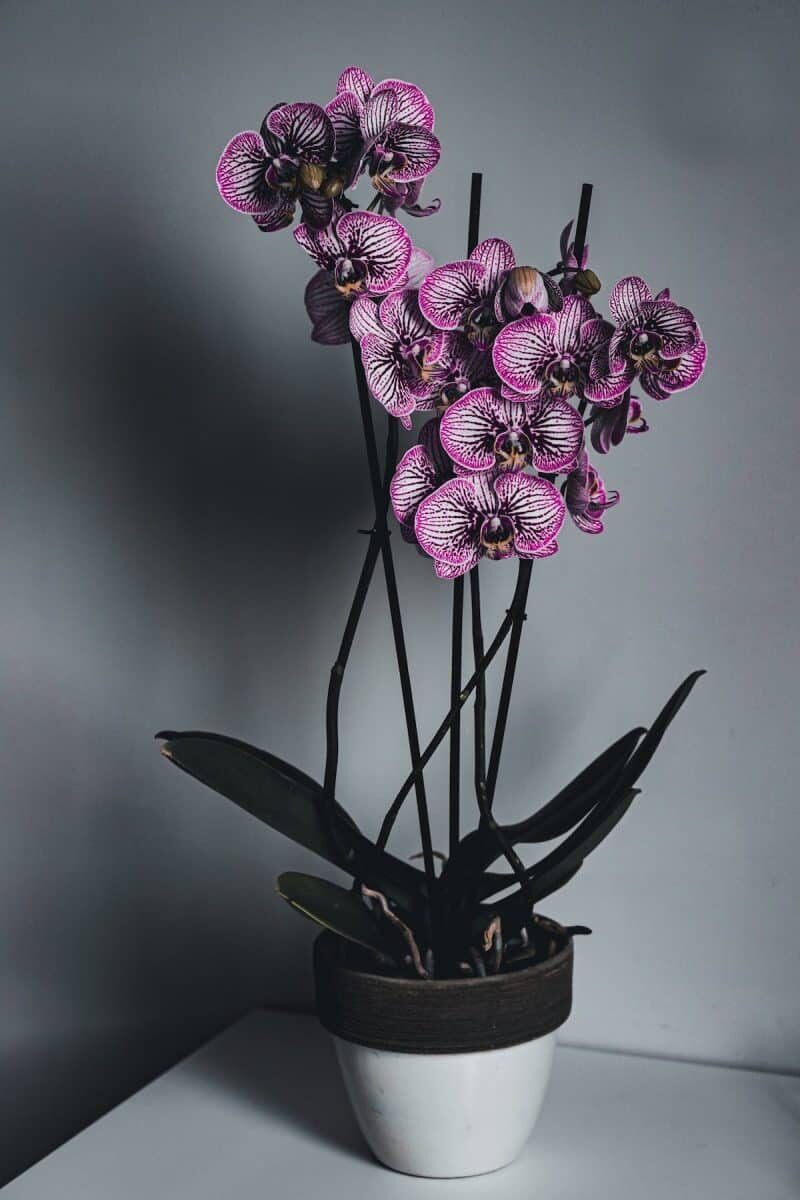
The orchid, queen of houseplants, dazzles with its delicate beauty and vibrant range of colors. Caring for it can be a challenge for plant enthusiasts. Questions often arise: How to keep this tropical plant blooming? What are the appropriate care tips to ensure its longevity? To help gardeners enjoy the constant blooming of their orchids, here are some practical tips. This simple and effective guide will detail the essential steps to care for your orchids, from proper watering to necessary light, as well as pruning and fertilization.
Orchids: how to choose the ideal variety
Once you have chosen the right orchid variety, consider creating the optimal conditions for its growth. How to keep an orchid thriving and healthy? Make sure to place your orchid in a well-lit area, but avoid direct sunlight that could scorch its delicate leaves. East or west-facing windows generally provide the ideal light.
Regarding temperature, orchids prefer slight variations between day and night. It is recommended to maintain an average temperature around 22°C during the day and 18°C at night. Also, be sure to protect your orchid from cold or hot drafts that could harm its development.
To ensure adequate humidity, you can regularly mist the leaves with non-lime water to recreate an environment similar to their natural habitat. Place your orchid on a tray filled with damp pebbles to increase ambient humidity.
Feel free to use a humidifier if necessary to maintain the correct humidity level in your home or use a basin filled with water near your plants.
By following these simple yet important tips, you will create the optimal conditions for your orchid to fully thrive and proudly display its beautiful colorful flowers.
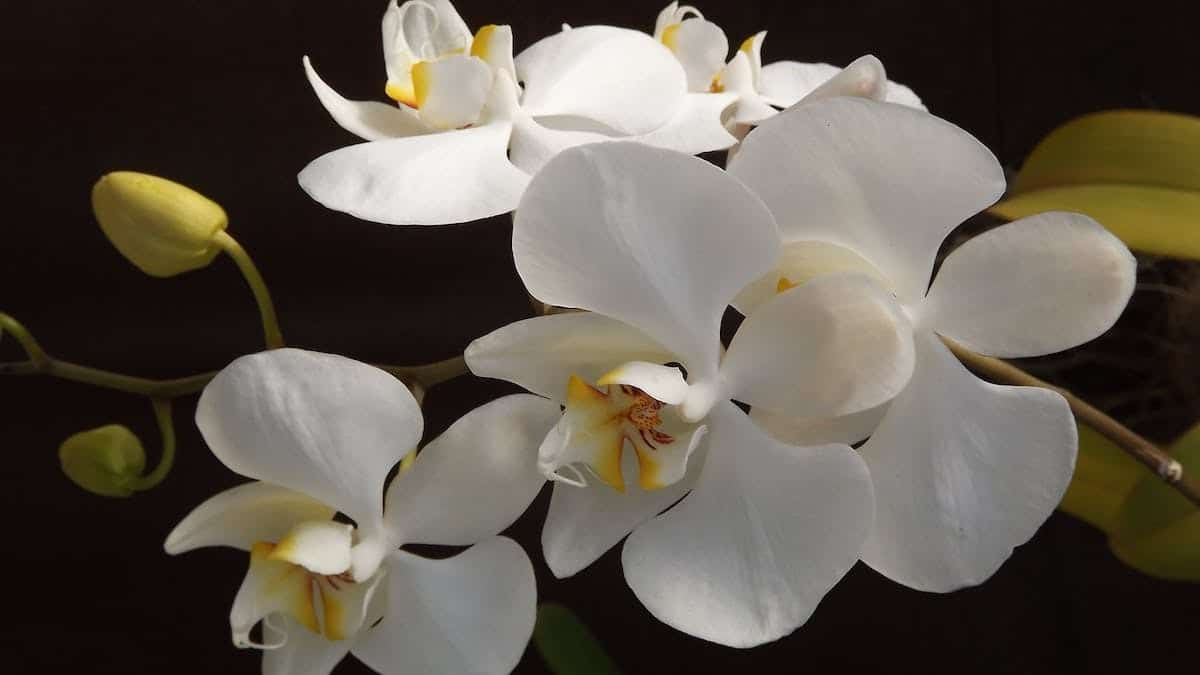
Orchids: the secrets to optimal growth
To keep your orchid in full bloom, mastering watering and humidity is essential. A delicate balance must be achieved to avoid excesses or deficiencies that could harm your plant’s health.
When it comes to watering your orchid, it’s important to understand its specific needs. Orchids are epiphytic plants, meaning they naturally grow on other plants without drawing nutrients from the soil. They have a unique ability to retain water in their aerial tissues.
It is recommended to use a watering can with a long spout to precisely target the area where the orchid’s air roots are located. However, avoid flooding the substrate or leaves as this could lead to root rot and promote the development of fungal diseases.
A practical tip is to regularly check if the substrate is dry before watering your orchid again. Gently insert a finger into the soil about two centimeters deep. If you find that the substrate is still moist, wait a few days before watering again.
Regarding ambient humidity, an adequate level also plays a crucial role in the good health and abundant blooming of orchids. These plants, native to tropical areas, require relatively high humidity to thrive.
To increase humidity around your orchid, you can use various methods. For example, place pebbles or clay balls in a saucer filled with water and set your orchid pot on top without it touching the water directly. The gradual evaporation will create a humid microclimate conducive to its development.
Another simple way to increase humidity is to regularly mist the leaves of your orchid with non-lime water. This method will allow the leaves to absorb the necessary moisture while avoiding excess that could lead to mold formation.
By carefully following these recommendations, you will effectively master watering and maintain ideal humidity to promote the healthy and flourishing growth of your precious orchid.
Orchids: tips for controlled watering and humidity
In addition to watering and humidity, fertilization is a crucial step in caring for your orchid. It has specific nutritional needs due to its unique growth mode. It should be noted that some orchid varieties have slightly different nutritional requirements. Therefore, it may be wise to research the specific needs of your species before starting fertilization.
When applying fertilizer, make sure to use an appropriate amount and dilute it in water according to the recommendations. It needs water and humidity. A healthy plant requires a harmonious balance between all these essential factors to thrive.
By following these practical tips and fertilizing sparingly, you will provide your orchid with all the optimal conditions to maintain its floral beauty for a long time.
Orchids: moderate fertilization for spectacular results
Orchids are generally robust, but they are not immune to diseases and pests that can harm their health. It is important to prevent and treat these potential problems.
Among the common diseases that orchids may face is root rot. This often occurs due to excess moisture or overwatering. If you notice that your roots are becoming soft, brownish, or have an unpleasant odor, there may be a fungal infection. To remedy this, gently remove the infected parts with a sterilized tool before replanting your orchid in fresh substrate.
Another threat to orchids is the appearance of black spots on their leaves. This may indicate the presence of a pathogenic bacterium or fungus. In this case, carefully remove the affected parts and use an appropriate fungicide to prevent the problem from spreading.
Regarding pests, certain insects like thrips or aphids can attack the flowers and leaves of orchids. The presence of these small creatures sometimes causes visible damage in the form of holes or discolorations on the plant surfaces.
To eliminate these pests without harming your plant, use natural or organic products such as insecticidal soap diluted in water. Simply spray the solution on the affected areas and repeat the treatment several times if necessary.
A good practice to prevent the appearance of diseases and pests is also to isolate any new orchid you acquire before placing it among your other plants. This will help avoid the potential spread of infections or infestations to all your orchids.
By carefully following these practical tips, you will be able to keep your orchid blooming for a long time while preserving its overall health. Don’t hesitate to regularly observe your plant to quickly detect any abnormal signs that may require appropriate preventive or curative intervention.
Orchids: tips for preventing and treating diseases and pests
Keeping your orchid blooming requires regular maintenance to ensure its health and beauty throughout the year.
Orchids need adequate light exposure to thrive. It is best to place them near an east or south-facing window, but without direct exposure to sunlight during the hottest hours of the day. Carefully observing your plant will allow you to adjust its location if you notice signals indicating that it is receiving too much or not enough light.
Watering is a crucial aspect of orchid care. It should be noted that these plants do not appreciate excess water, which can lead to root rot. The recommended technique is to wait until the substrate is almost dry before lightly rehydrating it. Use soft, lukewarm water, such as tap water that has rested for 24 hours.
To maintain healthy growth and encourage abundant blooming, it may be necessary to regularly apply a fertilizer specially formulated for orchids. Choose a balanced fertilizer containing all the essential elements such as nitrogen (N), phosphorus (P), and potassium (K). Be sure to follow the dosage instructions provided by the manufacturer and do not apply fertilizer when your plant is in a resting phase.
Regular pruning of orchids can help stimulate growth and promote lasting blooming. You can gently remove faded flowers by cutting the stem just above the first healthy bud. Be sure to use clean, sterilized tools to avoid any contamination.
Orchids should be repotted every two to three years to renew their substrate, which degrades over time. Take the opportunity to check the condition of the roots and remove any that are dead or damaged before replanting in a slightly larger pot, filled with a specific orchid mix.
By following these practical tips, you will be able to effectively care for your orchid to ensure lasting blooming while preserving its overall health. Don’t hesitate to consult a specialist if you encounter specific problems or need expert advice to maximize your chances of success.
Orchids: regular maintenance for lasting blooming
Humidity: Beyond light, watering, and fertilization, humidity also plays a crucial role in keeping your orchid blooming. These plants appreciate a certain level of humidity, but it is important to avoid fungal diseases. To maintain an optimal humidity level, you can place trays filled with water beads under the pot or use a humidifier near your plant.
Temperature: Orchids are sensitive to temperature variations. They generally prefer temperatures between 20°C and 25°C during the day and slightly cooler at night. Avoid places where temperature fluctuations are significant (such as near a heat source or draft) as this could stress your orchid.
Ventilation: Good air circulation is essential to prevent the appearance of mold or other problems related to stagnant humidity. Ensure that your orchid benefits from adequate ventilation without being subjected to strong drafts that could dry out its delicate leaves.
Pest prevention: To keep your orchid healthy and blooming, it is crucial to prevent infestations by common pests such as mealybugs or spider mites. Regularly inspect your plants to spot any signs of infestation, and if necessary, use biological control products specifically designed for orchids.
Patience: Remember that growing orchids requires patience. It is normal for a plant to take some time to bloom again after a previous flowering. So be patient and continue to provide the necessary care while waiting for your orchid to reward you again with its splendor.
By diligently following these practical tips, you will be able to keep your orchid blooming for a long time. Don’t hesitate to join communities or associations dedicated to orchid enthusiasts to exchange with other passionate individuals and share your tips for maintaining this exceptional plant in all its natural beauty.