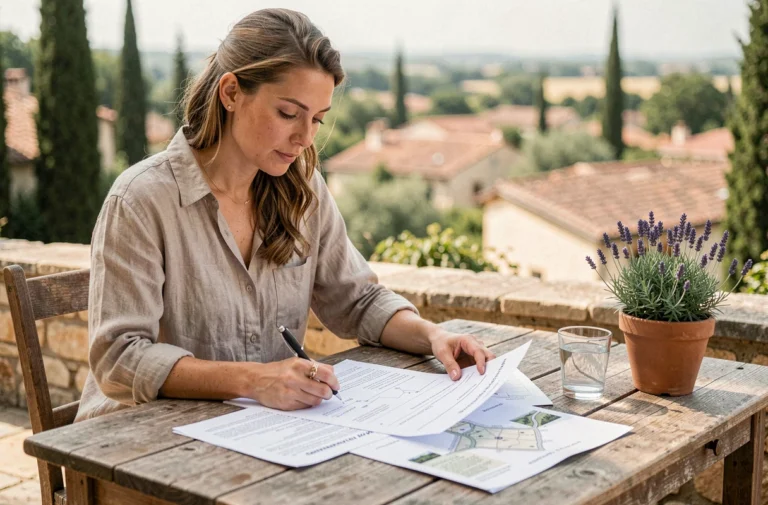
In France, official recommendations on physical activity target a specific weekly volume. The WHO guidelines, consolidated in 2022, add a dimension that most mainstream content overlooks: reducing the time spent sitting is just as important as the minutes of sport accumulated. Therefore, engaging in regular physical activity is not just about checking a time slot, but involves rethinking the role of movement in each day.
Sedentary Behavior and Physical Activity: Two Distinct Factors to Monitor
Confusion is common. One might think that a morning running session compensates for eight hours spent sitting behind a screen. Available data shows that it’s not that simple.
The “WHO Guidelines on physical activity and sedentary behaviour” (consolidated version 2022) emphasize a specific point: limiting sitting time and breaking it up with short periods of light activity is beneficial, even for individuals who already meet the recommended threshold of weekly moderate activity. In other words, structured sports and combating sedentary behavior function as two independent levers.
Resources like soyezsport.fr allow exploration of various disciplines suited to this dual objective, whether through short sessions or more sustained practices.
This distinction changes how one organizes their week. Before seeking the perfect time slot for training, it may be more effective to start by regularly interrupting long sitting periods, whether at the office or at home.
Active Micro-Breaks at Work: What Recent Research Observes
The concept of active breaks is not new, but scientific data is becoming clearer. A systematic review published by the INSST (National Institute for Safety and Health at Work, Spain, 2023) compiled available studies on short active breaks in the workplace.
Observed Results on Fatigue and Concentration
According to this review, active breaks of two to five minutes every thirty to sixty minutes reduce perceived fatigue and musculoskeletal pain compared to sedentary breaks. Improvement in concentration is also among the noted effects.
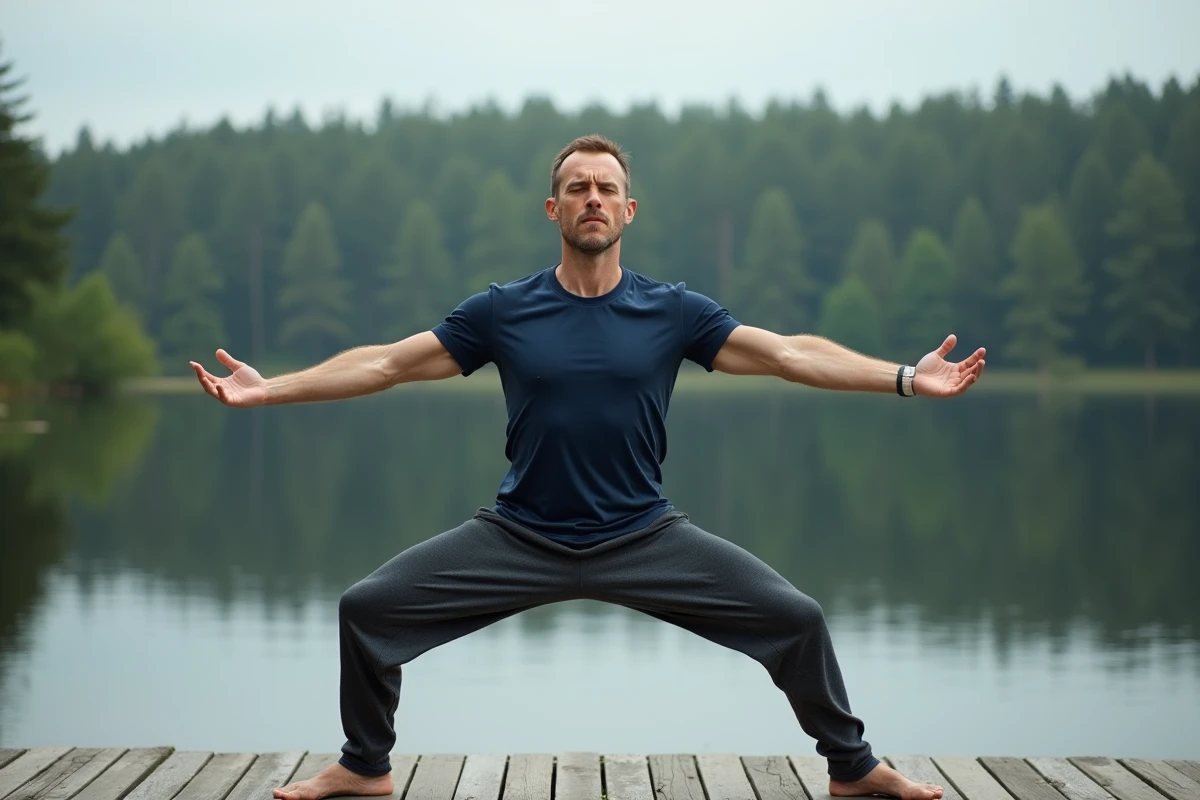
These breaks do not resemble sports exercise. They consist of stretching, standing in place, and light joint movements. Nothing that requires equipment or a changing room.
Limitations to Be Aware Of
Field feedback varies on this point: in certain work environments (production line, public reception), interrupting one’s position every thirty minutes is not realistic. The INSST review mainly focuses on office jobs. Applying these results to other contexts requires caution.
The idea remains relevant for sedentary profiles. Even without a strict protocol, alternating between sitting and light movement several times an hour already constitutes a significant change.
Building a Regular Sports Practice: Concrete Obstacles
Initial motivation rarely lasts more than a few weeks if the practice relies solely on willpower. Three recurring barriers appear in behavioral analyses related to physical exercise.
- Perceived lack of time: most active adults feel they do not have free slots, whereas breaking activity into short segments produces effects comparable to a long session, according to WHO recommendations.
- Choice of discipline: starting with a sport that is too technically or physically demanding increases the risk of dropping out. Fast walking, utilitarian cycling, or swimming in a free pool offer low entry thresholds.
- Lack of social framework: practicing alone requires more self-discipline. Joining a group, even informal, or following a structured online program helps maintain consistency over several months.
The question of “when” often arises. Available data does not allow for concluding that one time slot (morning, noon, evening) is objectively superior to another for health. The best time to exercise is the one that can be repeated every week.
Effect of Physical Activity on Mental Health and Stress
The impact of movement on psychological well-being has been documented for a long time, but the precise mechanisms are still being studied. What converging publications indicate: regular physical activity, even at moderate intensity, helps reduce stress symptoms and improves sleep quality.
Exercise acts on several levels simultaneously. At the muscular level, it releases tension accumulated from prolonged sitting. At the cognitive level, it creates a break from constant digital stimuli.

Mental health is not limited to the absence of pathology. Regularly practicing a sport contributes to strengthening self-esteem, the sense of competence, and social connection when the practice is shared. These dimensions are sometimes more decisive than cardiovascular benefits in the decision to continue.
What Sport Does Not Replace
Physical activity is not a treatment for severe anxiety or depressive disorders. It can accompany medical care, but does not substitute for psychological follow-up or medication when these are indicated.
- In case of unexplained chronic fatigue, consult a doctor before intensifying sports practice.
- Persistent joint pain after exercise should not be ignored, especially after a long period of inactivity.
- A prior medical assessment is recommended for individuals over forty resuming activity after several years of inactivity.
Regular sports activity permanently changes the relationship with the body and daily life when it is integrated into realistic habits. Breaking up movement, reducing sitting periods, and choosing a discipline compatible with life constraints remain the three most reliable parameters for long-term adherence.