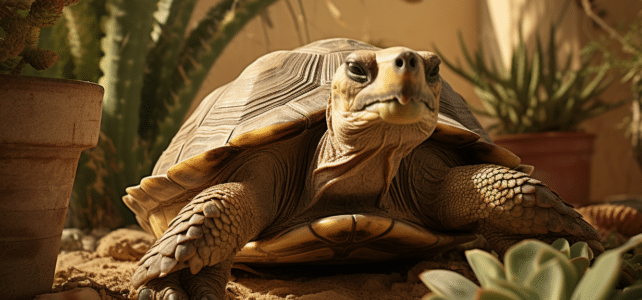
Tortoises, ancient and fascinating creatures, require a specific environment to thrive. Creating a space that mimics their natural habitat is essential for their well-being. This involves not only an adequately sized terrarium but also appropriate substrate, a heating area, a resting zone, and suitable UVB lighting. Humidity and temperature must be carefully regulated to promote their health and growth. Hiding spots and non-toxic plants beautify their space while providing shelters. A balanced diet and fresh water are also crucial for their daily flourishing.
Essential Elements for a Suitable Habitat for Your Tortoise
Consider the enclosure as the cornerstone of the construction of a tortoise house. The dimensions of this space should reflect the animal’s intrinsic need for exploration and exercise. Sufficient living space is therefore non-negotiable; think about providing at least a few square meters, depending on the species and its adult size. Sun exposure is vital for their metabolism and their ability to synthesize vitamin D, which is essential for calcium absorption.
The design of a shelter is crucial, offering the tortoise protection from the elements and predators. This shelter should be dry, insulated, and spacious enough for the tortoise to turn around easily. The water source, on the other hand, should be shallow to prevent drowning and large enough for the tortoise to immerse itself if it wishes. Ensure the water is clean and changed regularly.
The layout of the enclosure should be enriched with various natural elements: flat stones for basking, non-toxic aromatic plants providing a food source, and natural hiding spots. These arrangements help simulate a natural and stimulating environment while promoting exercise and behavioral enrichment.
Safety is an essential aspect. A sturdy fence, buried in the ground to prevent escapes, is necessary. The standards of the Departmental Directorate for Population Protection (DDPP) and the Federal Office for Food Safety and Veterinary Affairs (OSAV) must be respected to ensure a living environment that meets the specific needs of the Hermann’s tortoise or any other species housed. Consider these parameters carefully and rigorously, as the health and well-being of these living beings depend on the quality of their habitat.
Practical Tips for Setting Up and Maintaining Your Tortoise’s Enclosure
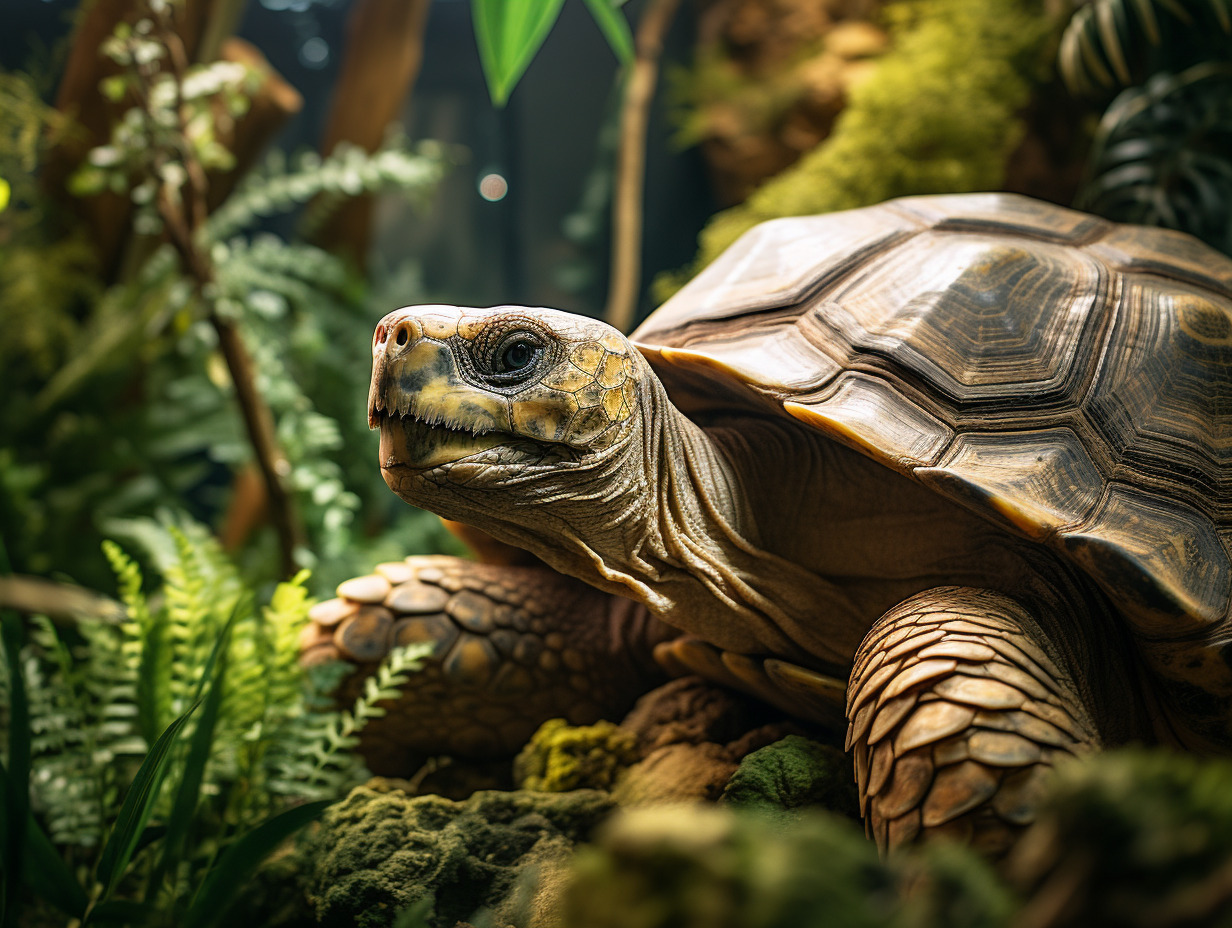
Setting up your tortoise’s enclosure requires meticulous attention to the ecology of the species. Start by ensuring a solid shelter that protects against weather extremes and predators. This cocoon should be easily accessible for the tortoise and sufficiently insulated to maintain a stable temperature. Include a water source in the enclosure, essential for the tortoise’s hydration and hygiene, while ensuring its depth is suitable to avoid any danger.
Aromatic plants, in addition to providing a food source, enrich the tortoise’s environment and stimulate its senses. Select non-toxic species that support the tortoise’s food autonomy while creating a diverse landscape. Incorporate flat stones to promote thermoregulation, allowing the tortoise to warm itself in the sun.
Regular maintenance of the enclosure is necessary to prevent the proliferation of parasites and maintain a healthy environment. The fence should be inspected to prevent escapes and strengthen protection against intrusions. Adequate ventilation is fundamental, especially if part of the enclosure is covered or if you are using a greenhouse to maintain warmer temperatures. Follow these tips and adapt them to the specifics of your tortoise, whether it is a Hermann’s tortoise or another species, to provide it with a habitat that is both safe and invigorating.