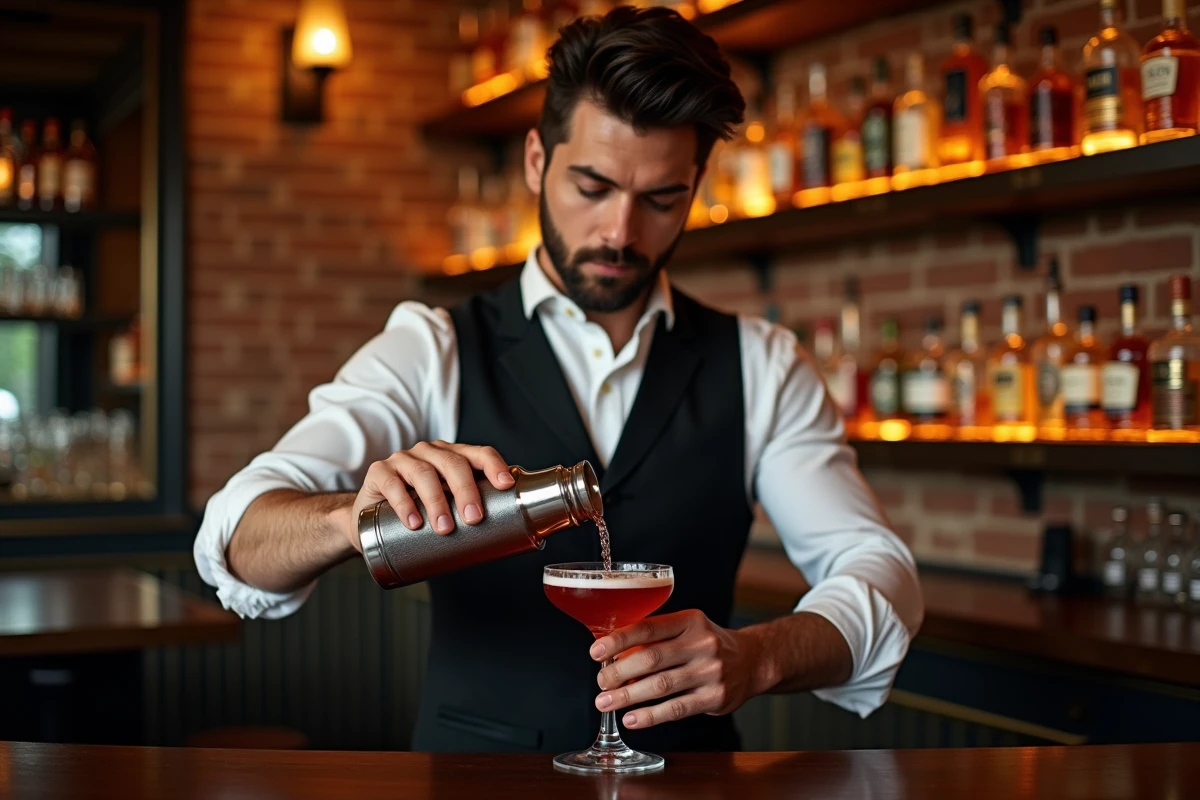
The bar scene in Belgium has changed dramatically in recent years. Less sugary cocktails, menus focused on local ingredients, and the rise of non-alcoholic beverages: the country is far surpassing its reputation as a land of beers. This movement affects both Brussels counters and establishments in Antwerp, Namur, and Liège, driven by a generation of bartenders who approach mixology as an extension of cooking.
Belgian Bars and Waste Reduction: When the Counter Moves to the Kitchen
One of the distinctive features of the current Belgian bar scene is the closeness between the work of the bartender and that of the chef. Several establishments adopt practices directly borrowed from the restaurant industry: repurposing citrus peels for homemade syrups, fermenting unsold fruits, infusing from stale bread.
This waste-reduction logic is not just a marketing gesture. It structures the menu, dictates supplies, and alters relationships with suppliers. A bar that works with local vegetable producers does not create the same menu in January as it does in July.
The sustainability approach is also reflected in the choice of spirits. Belgian genever, long confined to taverns, is making a comeback in shakers. Artisan distilleries in Flanders and Wallonia produce gin, flavored rum, or fruit brandies that fuel creations impossible to replicate elsewhere. Local ingredients become a differentiating factor between establishments, not just a showcase argument.
Among the publications closely following this evolution, Bart Magazine regularly covers the initiatives of Belgian bartenders engaged in this movement.
Non-Alcoholic Cocktails in Belgium: Beyond the Healthy Trend
The mocktail has long been treated as a replacement option, a default drink for those who do not drink. In Belgium, the non-alcoholic bar is gaining legitimacy as a fundamental evolution of the profession.
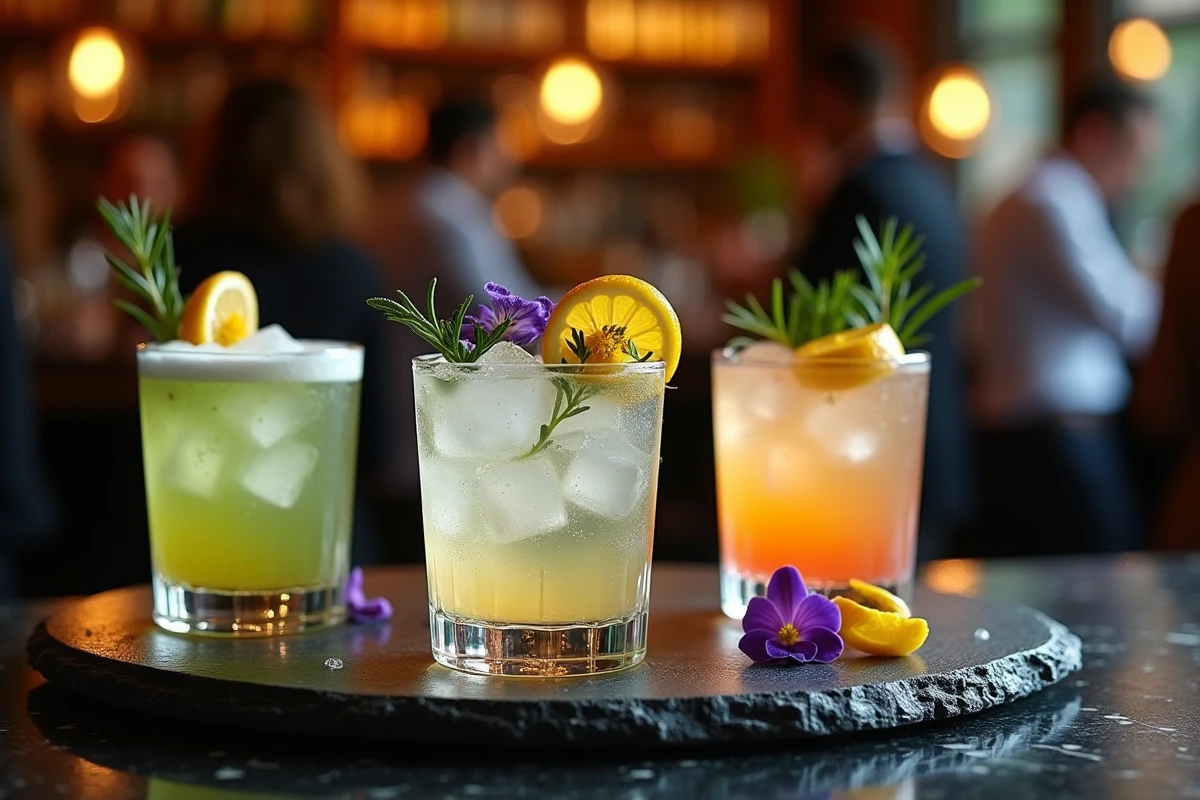
Several bartenders in Antwerp and Brussels now offer menus where non-alcoholic creations occupy as much space as classic cocktails. The work is based on complex foundations: vinegar shrubs, homemade kombuchas, botanical distillates without ethanol. The result is far from a disguised fruit juice.
This evolution responds to a real demand. The share of consumers reducing their alcohol consumption is increasing, particularly among those under 35. Establishments that understand this do not simply add a Virgin Mojito at the bottom of the menu. They rethink their offerings so that sober customers do not feel relegated to a secondary choice.
What Distinguishes a Good Mocktail from a Sweet Juice
The taste complexity relies on a few technical pillars:
- Bitter notes, brought by artisanal tonics, citrus peels, or gentian infusions, compensate for the absence of alcohol and provide length on the palate.
- Acidity, worked through verjus, apple cider vinegar, or lactic fermentations, structures the cocktail as a lively spirit would.
- Texture, achieved through gum arabic syrups, egg whites, or aquafaba, provides the body that ethanol usually supplies.
A successful mocktail requires as much technique as a classic cocktail, sometimes more, because alcohol masks many approximations.
Brussels Bar Show and Professional Events: Structuring the Belgian Market
The Belgian cocktail scene is no longer built solely behind the counters. The Brussels Bar Show, held in April 2025, illustrates a professionalization of the sector. This type of event allows bartenders, distributors, and spirit producers to confront their approaches and identify trends for the upcoming season.
Cocktail trends in Belgium are now driven by recurring events, not just by the individual menus of bars. This structuring brings the Belgian sector closer to more mature markets like London or Amsterdam, where trade shows influence the choices of establishments for several months.
Mobile Bars: An Expanding Format
Alongside fixed bars, the mobile bar offering is growing significantly in Belgium. Specialized providers operate at weddings, corporate events, or festivals with temporary counters offering custom cocktails.
This format allows for testing recipes, flavors, and concepts without the constraints of a commercial lease. Some bartenders use these services as a laboratory before opening their own establishment. The model works particularly well in medium-sized cities where the market does not yet justify a permanent cocktail bar.
Belgian Mixology: The Spirits Shaping the Menus
Gin remains the most crafted spirit in Belgian bars. The density of micro-distilleries in Flanders and Brussels fuels a dynamic local market, with aromatic profiles varying greatly from one producer to another.
Genever (jenever), the ancestor of gin, is experiencing a marked resurgence. Less known internationally, it offers Belgian bartenders an identity playground. Served in cocktails with lemon, spices, or local herbs, it allows for creations rooted in tradition while remaining contemporary.
- Belgian gin is distinguished by local botanicals (hops, elderflower, wild juniper berries) that create profiles impossible to replicate with industrial gin.
- Homemade flavored rum, infused with seasonal fruits, appears on the menus of several Brussels bars as an alternative to classic Caribbean options.
- Artisan bitters and amers from Belgium complete the palette, used in recipes where every ingredient in the glass comes from a limited radius around the establishment.
The menu of a bar now tells a geography. The choice of a local spirit engages the bartender in a terroir approach comparable to that of a sommelier selecting wines.
The Belgian cocktail market remains modest compared to its French or Dutch neighbors. Field feedback varies on the sector’s ability to maintain this dynamic without a broader audience. What is not up for debate, however, is the technical quality of bartenders trained in the country. Their approach, straddling culinary rigor and experimentation, gives Belgian bars an identity that cocktail enthusiasts would do well to discover.